 |
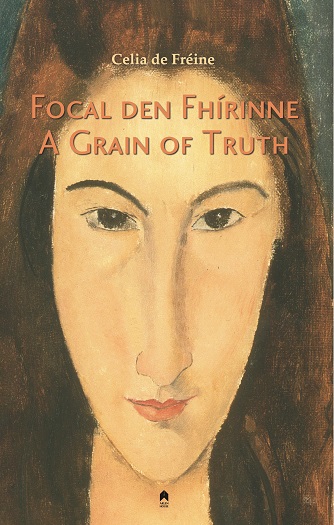
Focal den Fhírinne - A Grain of truth
Published by
Arlen House, 2024. poems inspired by true events from which the finished product is woven, are the subject of Focal den Fhírinne : A Grain of Truth, the eleventh collection of poetry from Celia de Fréine. The struggle to survive and make sense of life are its main themes.
Read a review in tuarisc.ie
To purchase, click here.
|
 |
Aoi ag Bord na Teanga
Published by
Leabhair Comhar, 2022.
For more information or to purchase, click here.
Read a review and article on Celia de Fréine's work in Books Ireland
|
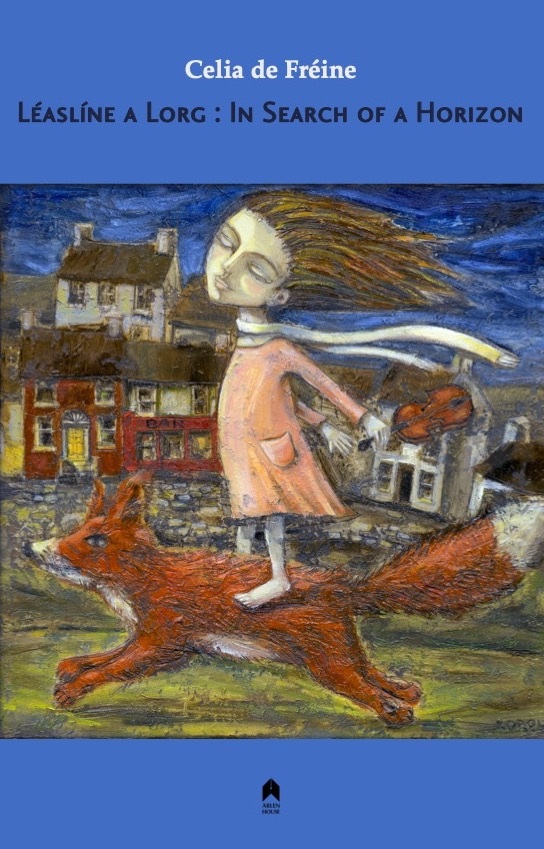 |
Léaslíne a Lorg: In search of a Horizon
Published by
Arlen House, 2022.
For more information or to purchase, click here.
|
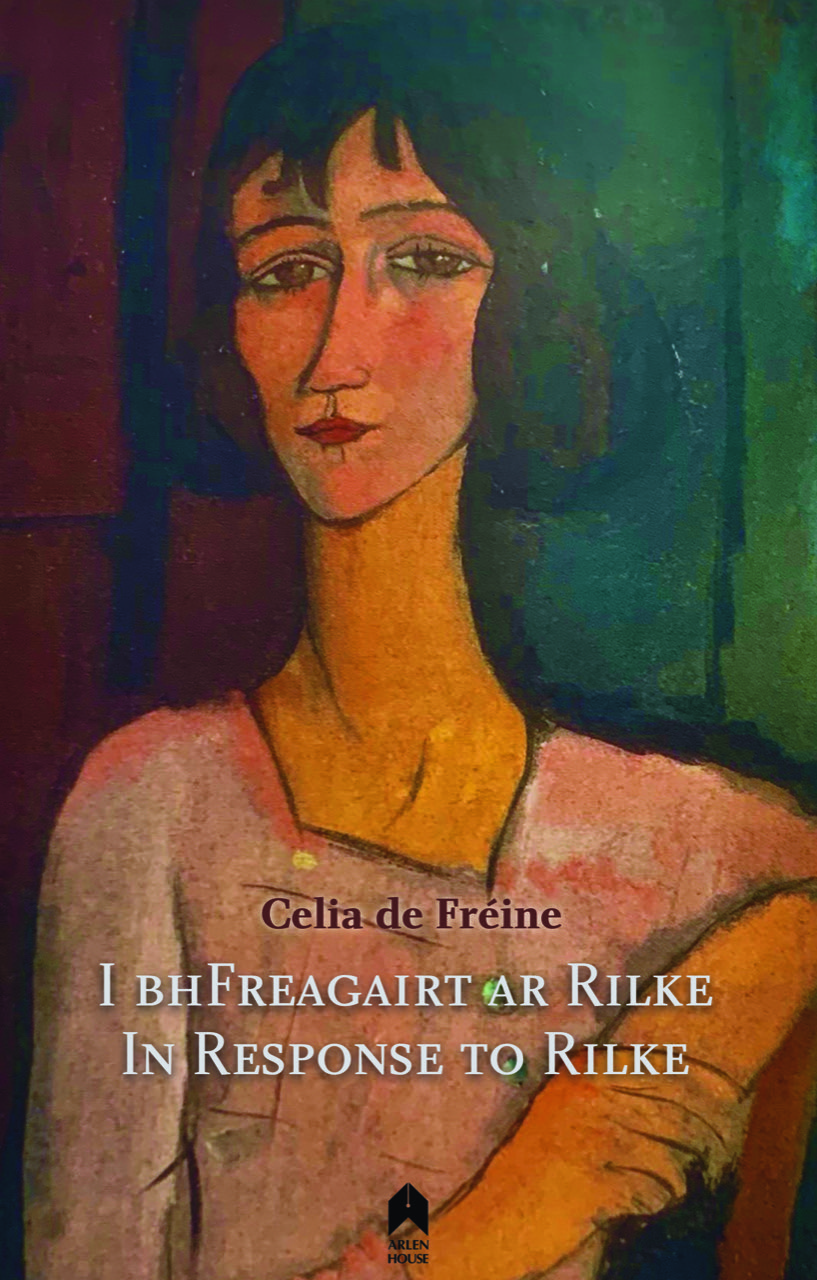 |
I bhfreagairt ar Rilke
Published by
Arlen House, 2022.
For more information or to purchase, click here.
|
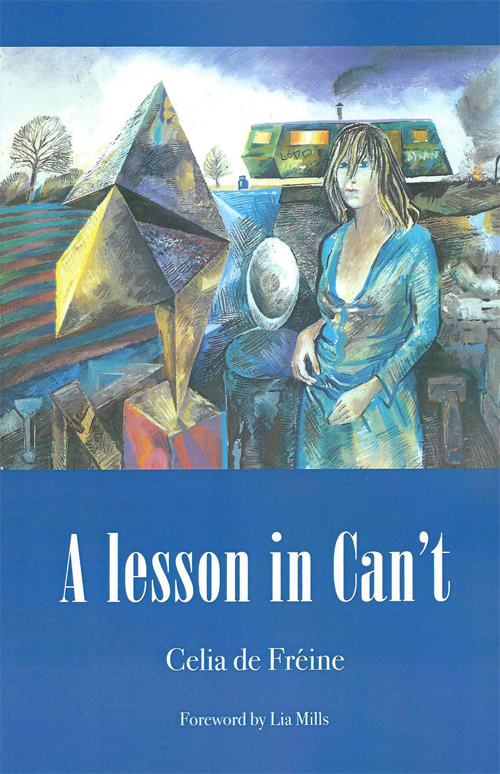 |
A lesson in Can't
Published by
Scotus Press, 2014. A lesson in Can't is Celia de Fréine's eighth collection. Inspired by the time she spent working with Travellers, it tells the story of a teacher's engagement with her students.
...read
more
|
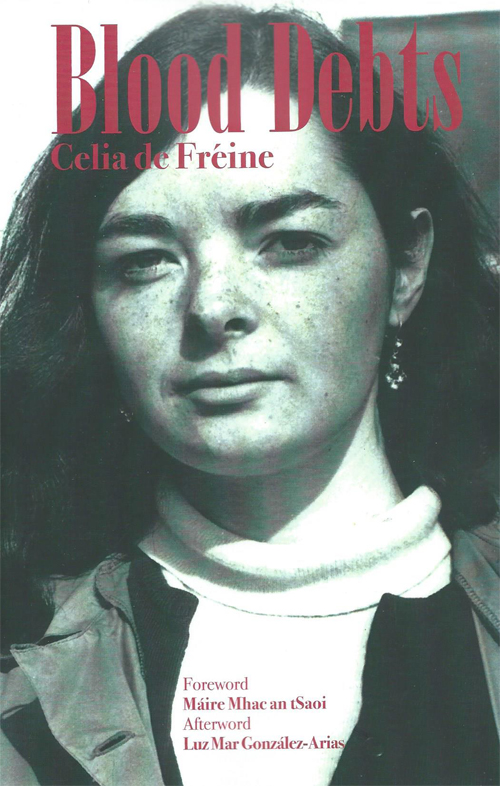 |
Blood Debts
Published by
Scotus Press, 2014. Blood Debts is a translation of Fiacha Fola published by Cló Iar-Chonnachta in 2004. In the late 1970s about 1600 Irish citizens, most of them women, were infected with a contaminated blood product known as the Anti-D agent. This sequence of poems articulates the experience of one of the women affected.
...read
more
|
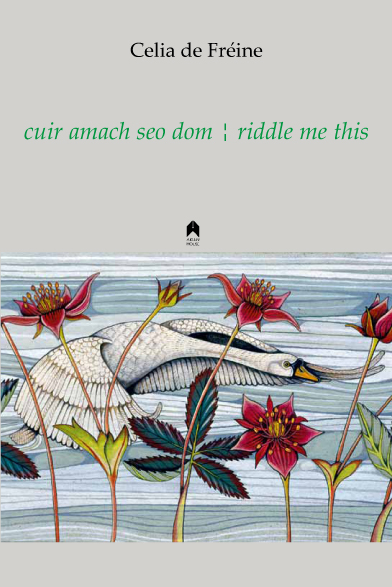 |
cuir amach seo dom : riddle me this
Published by
Arlen House, 2014. This is the sixth collection from Celia de Fréine. As its name suggests, the title poem, which she wrote while in Slovenia, takes its cue from the riddle, a traditional Slovene form. Also included in the collection are the sequences The Lady and the Unicorn : An Bhean Uasal is an tAonadharcach and Monsanto written in Paris and Potugal respectively.
...read
more
|
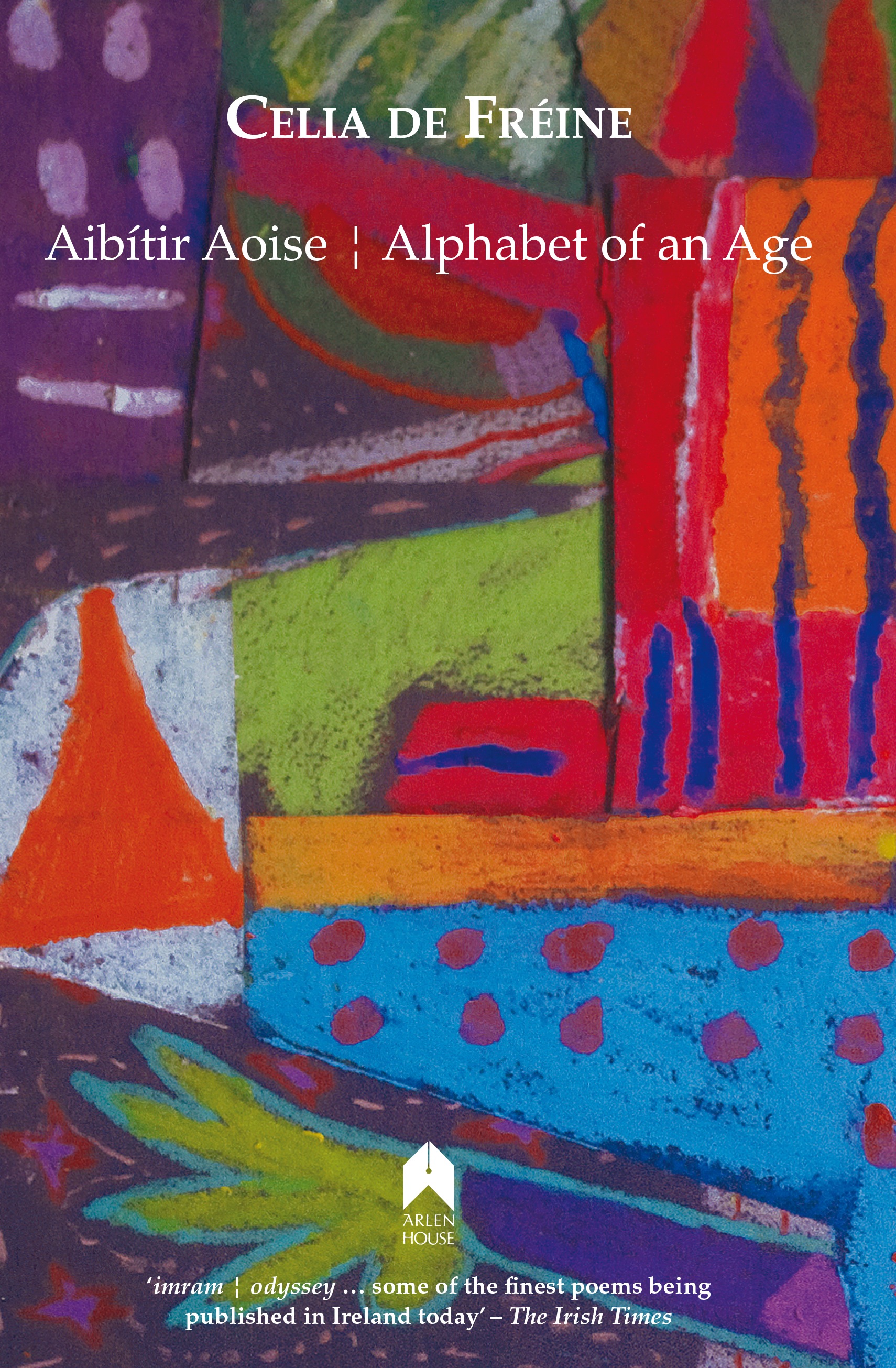 |
Aibítir Aoise : Alphabet of an Age
Published by
Arlen House, 2011. The Alphabet Book is a Polish genre that invites the author to discuss what (s)he has observed during his/her life. Usually written in prose, it has here been adapted to poetic form.
...read
more
|
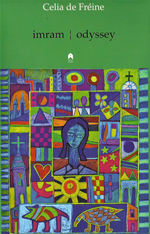 |
imram : odyssey
Published by
Arlen House, 2010. This dual-language collection is loosely based on the Imram, an Irish literary form, which recounts a voyage to another world. During this voyage the traveller is faced with many challenges which must be overcome.
...read
more
|
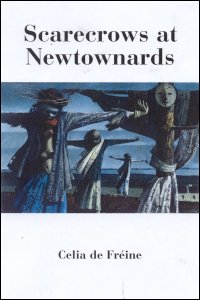 |
Scarecrows at Newtownards
Published by
Scotus Press, 2005. This is the first collection in English from this Patrick Kavanagh Award winner
...read
more
|
 |
Fiacha Fola (Blood Debts)
Published by Cló Iar-Chonnachta,
2004.This sequence of poems is written through the
eyes of a woman affected by the Hepatitis C scandal.Winner of Gradam Litríochta Chló Iar-Chonnachta 2004 in conjunction
with Údarás na Gaeltachta.
...read
more
|
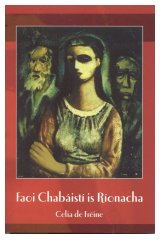 |
Faoi Chabáistí is Ríonacha (Of Cabbages and
Queens)
Published by Cló Iar-Chonnachta, 2001.
Winner of Duais
Aitheantais Ghradam Litríochta Chló Iar-Chonnachta 1999 in conjunction
with Údarás na Gaeltachta. It has been translated into Romanian (published
by Ars Longa) and Bulgarian (published by Orpheus).
...read
more
|
